
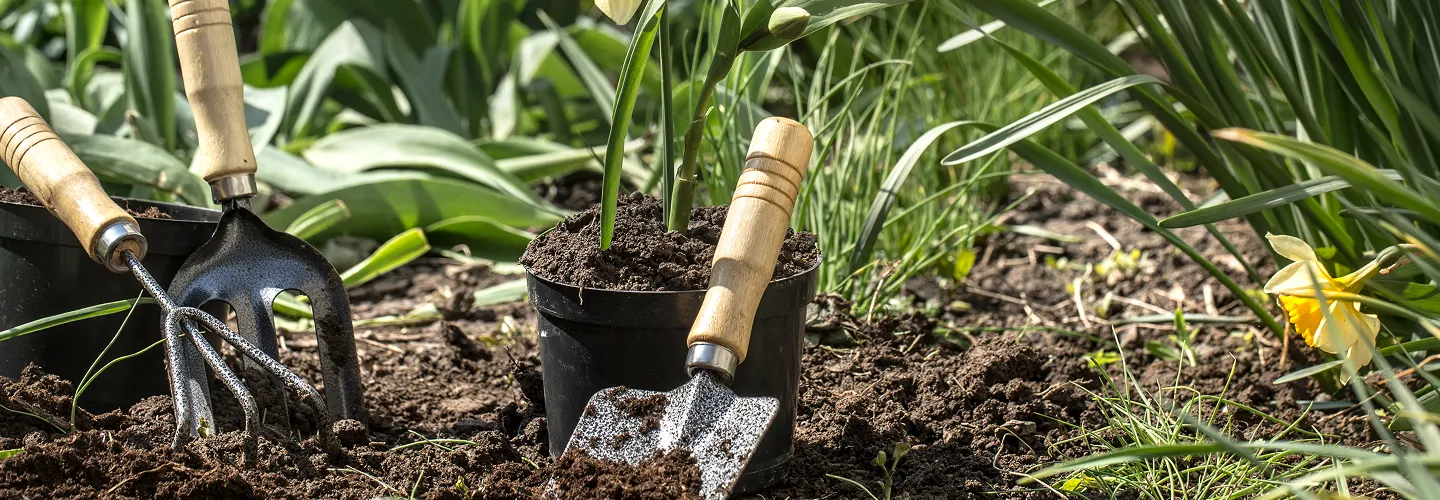
Manchester Fertilizing Lawn Services
Choose our fertilizing lawn services for expert care, premium products, and a lush, healthy yard that stands out all season long.
Get a Free QuoteOur Manchester Landscaping & Yard Care Services
When to Schedule Fertilizing Lawn in Manchester, Georgia – Seasonal Guide
In Manchester, Georgia, timing your lawn fertilization is crucial for achieving a lush, healthy yard that thrives throughout the year. The region’s warm, humid summers and mild winters mean that the best periods for fertilizing are typically early spring and early fall. These windows align with the active growth cycles of common local grasses, such as Bermuda and Zoysia, which are prevalent in neighborhoods like Pine Ridge and near landmarks such as the Manchester Mill. Applying fertilizer just after the last frost date in spring or before the first frost in fall ensures nutrients are absorbed efficiently, supporting robust root development and vibrant color.
Local environmental factors play a significant role in determining the optimal fertilization schedule. Manchester’s clay-heavy soils, variable rainfall, and occasional drought conditions require careful consideration. Areas with dense shade from mature oaks or pines, such as those near the Manchester City Park, may need a different approach compared to open, sun-drenched lawns. Additionally, municipal guidelines and water use restrictions, which can be found on the official city website, should always be reviewed before scheduling any lawn treatments.
Local Factors to Consider for Fertilizing Lawn in Manchester
- Tree density and shade coverage impacting sunlight and moisture
- Soil composition, especially clay content and drainage
- Seasonal precipitation patterns and drought risk
- Proximity to landmarks or neighborhoods with unique microclimates
- Municipal restrictions on fertilizer use and watering schedules
Benefits of Fertilizing Lawn in Manchester

Enhanced Lawn Health
Greener and Thicker Grass
Improved Weed Resistance
Stronger Root Development
Increased Pest Tolerance
Boosted Curb Appeal
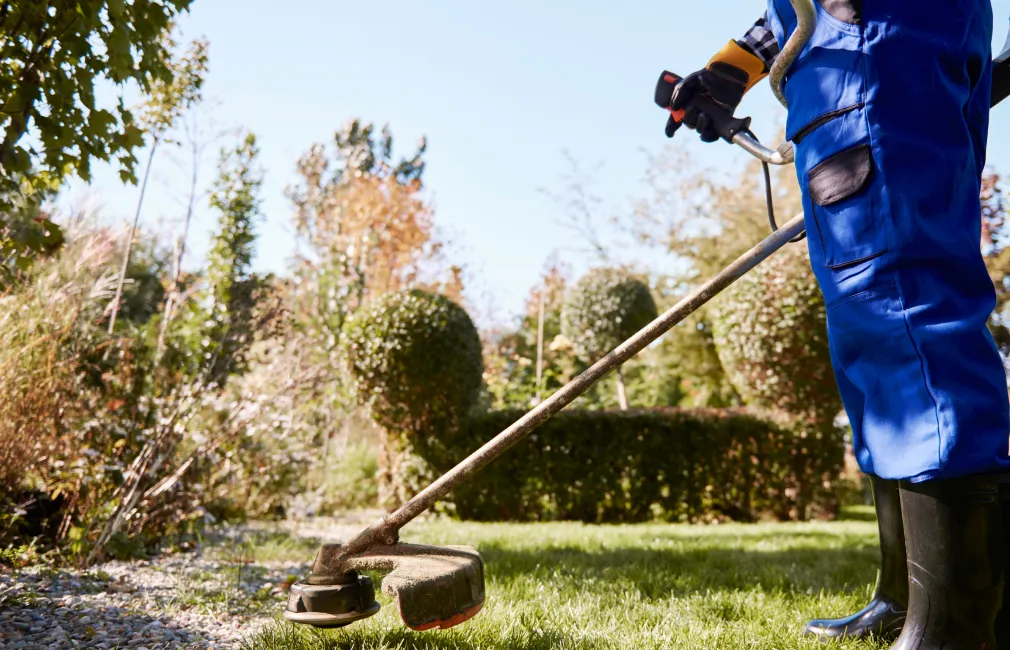
Manchester Fertilizing Lawn Types

Cool-Season Grass Fertilization
-
Warm-Season Grass Fertilization
-
Organic Lawn Fertilization
-
Synthetic Fertilizer Application
-
Slow-Release Fertilizer Programs
-
Seasonal Fertilizer Treatments
-
Customized Soil Amendment
Our Fertilizing Lawn Process
Soil Analysis
Fertilizer Selection
Application Scheduling
Even Fertilizer Distribution
Post-Application Inspection
Why Choose Manchester Landscape Services
-
Manchester Homeowners Trust Us
-
Expert Lawn Maintenance
-
Reliable Seasonal Care
-
Competitive Pricing
-
Professional Team
-
Satisfaction Guarantee
-
Personalized Service
Manchester's Piedmont-Edge Soils and Their Impact on Lawn Fertilizer Retention
Manchester sits in Meriwether County along the transitional zone between Georgia's Piedmont Plateau and the upper Coastal Plain, placing it within USDA Hardiness Zone 8a. The predominant soils in and around Manchester include the Cecil and Madison series—well-drained, moderately acidic clay loams derived from weathered gneiss and schist. These soils typically exhibit pH levels between 4.8 and 5.8, which directly affects nutrient availability and fertilizer efficiency. Property owners should understand several key soil characteristics before applying fertilizer:
- Low natural phosphorus retention: Acidic clay soils bind phosphorus tightly, often requiring lime amendments before phosphorus-based fertilizers become plant-available.
- Moderate to high aluminum saturation: Unlimed soils may exhibit aluminum toxicity, which inhibits root growth and reduces fertilizer uptake.
- Surface compaction on older lots: Decades of foot traffic and mowing compress the clay surface layer, limiting water and nutrient infiltration.
A soil test through the UGA Cooperative Extension county office is the most reliable first step. The University of Georgia recommends testing every two to three years, with samples taken at a 4-inch depth across multiple lawn areas. Results from the USDA Web Soil Survey can also help property owners identify their specific soil series and drainage class before selecting a fertilizer program.
Optimal Fertilization Timing for Manchester's Long Warm-Season Growth Period
Manchester's climate supports an extended warm-season growing period, typically from mid-April through mid-October, with bermudagrass, centipedegrass, and zoysiagrass as the most common turf types within city limits. Fertilizer timing must align with active root growth rather than calendar convenience. The UGA Cooperative Extension provides the following general guidance for warm-season lawns in middle Georgia:
- Bermudagrass: Apply the first fertilizer application when the lawn is fully green and soil temperatures reach 65°F at a 4-inch depth, usually late April to early May. A second application may follow in June, with a final round no later than mid-August.
- Centipedegrass: Requires minimal fertilization—typically one application of 1 pound of nitrogen per 1,000 square feet per year, applied in June. Over-fertilization is a leading cause of centipedegrass decline.
- Zoysiagrass: Responds well to two applications, one in May and one in July, at 1 pound of nitrogen per 1,000 square feet per application.
Applying fertilizer after September 1 is discouraged for all warm-season grasses in Manchester. Late-season nitrogen promotes tender growth vulnerable to the area's first frost, which typically occurs between late October and mid-November according to the National Weather Service Peachtree City office.
Protecting Pine Mountain Creek and Local Drainage Corridors During Fertilizer Applications
Manchester's municipal drainage system and surrounding waterways, including Pine Mountain Creek and smaller unnamed tributaries flowing through residential areas, are vulnerable to nutrient loading from improperly applied lawn fertilizers. Excess nitrogen and phosphorus entering these corridors contributes to algal growth, oxygen depletion, and degraded water quality downstream. The Georgia EPD Watershed Protection Branch oversees water quality standards that apply to all surface waters in the state, and the federal Clean Water Act establishes baseline protections enforced through EPA Region 4.
Property owners and lawn care providers in Manchester should observe the following precautions:
- Do not apply granular fertilizer within 10 feet of any ditch, creek, storm drain inlet, or drainage swale. This buffer reduces direct nutrient runoff.
- Sweep or blow fertilizer granules off sidewalks, driveways, and streets back onto the lawn immediately after application. Granules left on impervious surfaces wash directly into storm drains.
- Avoid fertilizing before heavy rain. Check the forecast and postpone applications if rainfall exceeding 0.5 inches is expected within 24 hours.
- Use slow-release nitrogen sources such as sulfur-coated urea or polymer-coated products, which reduce the risk of nutrient surge into runoff.
Manchester's Public Works Department manages the city's stormwater infrastructure, including drainage ditches and inlet structures. Residents who observe fertilizer or chemical discharge entering storm drains or creek corridors should report the issue promptly.
Manchester Public Works Department
200 Main Street, Manchester, GA 31816
Phone: (706) 846-3141
Official Website: Manchester Public Works Department
How Georgia's Fertilizer Act and Pesticide Licensing Rules Apply in Manchester
Georgia regulates the sale, labeling, and distribution of fertilizer products under the Georgia Fertilizer Act of 1997, administered by the Georgia Department of Agriculture - Fertilizer division. While homeowners applying fertilizer to their own lawns are not required to hold a license, any commercial lawn care operator applying fertilizer for hire in Manchester must comply with state registration and labeling requirements. Key regulatory points include:
- Product labeling: All fertilizer sold in Georgia must carry a guaranteed analysis label showing nitrogen (N), phosphate (P₂O₅), and potash (K₂O) percentages. Applicators should follow label rates precisely.
- Pesticide-fertilizer combination products (weed-and-feed): These fall under the Georgia Pesticide Use and Application Act of 1976. Commercial applicators using these products must hold a valid Georgia pesticide applicator license, obtainable through the Georgia Department of Agriculture - Licensing, Certification and Employee Registration.
- Record-keeping: Licensed commercial applicators are required to maintain records of products applied, application rates, dates, and locations.
Property owners hiring lawn fertilization services in Manchester should verify that the provider holds current Georgia Department of Agriculture credentials and carries appropriate liability coverage. Manchester's Code Enforcement Department can address complaints related to property maintenance standards, including lawn condition issues that may arise from improper fertilization practices.
Manchester Code Enforcement Department
200 Main Street, Manchester, GA 31816
Phone: (706) 846-3141
Official Website: Manchester Code Enforcement Department
Manchester's Municipal Water System and Irrigation Considerations for Fertilizer Effectiveness
Fertilizer performance depends heavily on adequate soil moisture, and Manchester residents connected to the city's municipal water system should coordinate irrigation practices with fertilizer applications. Manchester Water, Sewer and Garbage Services manages the city's potable water supply and may implement watering restrictions during drought conditions declared by the Georgia EPD Water Conservation program. Practical guidelines for integrating irrigation with fertilization include:
- Water lightly after application: Apply 0.25 inches of irrigation within 24 hours of granular fertilizer application to dissolve granules and move nutrients into the root zone without causing runoff.
- Avoid heavy irrigation: Applying more than 0.5 inches of water immediately after fertilizing can push soluble nitrogen below the root zone, wasting product and increasing groundwater contamination risk.
- Monitor drought declarations: During Level 1 or Level 2 drought restrictions, outdoor watering schedules may be limited to specific days or hours. Adjust fertilizer timing to coincide with permitted irrigation windows.
- Well-water users: Properties outside the municipal system relying on private wells should test water pH and iron content, as high-iron well water can affect soil chemistry and fertilizer interactions.
Contact Manchester Water, Sewer and Garbage Services to confirm current watering schedules and any active conservation restrictions before planning fertilizer applications.
Manchester Water, Sewer and Garbage Services
200 Main Street, Manchester, GA 31816
Phone: (706) 846-3141
Official Website: Manchester Water, Sewer and Garbage Services
What Neighborhoods Do We Serve Throughout Manchester, GA?
- Downtown Manchester / Main Street Corridor: Older residential lots near the downtown core often feature compacted clay soils from decades of development. Mature shade trees reduce sunlight, favoring centipedegrass or zoysiagrass and requiring adjusted fertilizer rates to avoid excessive growth in shaded areas. Properties near the Downtown Development Authority district should maintain frontage appearance consistent with community standards.
- Pine Mountain Creek Vicinity: Homes along or near Pine Mountain Creek face heightened runoff sensitivity. Fertilizer applications in this area require strict adherence to buffer setbacks and slow-release product selection to protect water quality.
- Highway 85 / Warm Springs Road Residential Areas: Properties along these corridors tend toward larger lots with full-sun exposure, supporting bermudagrass that benefits from a more aggressive fertilization schedule during the May–August window.
- West Manchester Residential Neighborhoods: These areas include a mix of mid-century homes and newer infill construction. Soil conditions vary between native clay and imported fill, making soil testing especially important before establishing a fertilizer program.
- Meriwether County Line Rural-Residential Properties: Lots at the city's edges often feature transitional soils, partial woodland cover, and private well water. Fertilizer programs here should account for acidic leaf litter accumulation and reduced turf density under tree canopy.